sales@north-bridges.com
86-13862120662

Elevates Testing and Maintenance of
the World's Most Popular Fighter Plane

The Challenge:
Military aircraft manufacturer and maintenance center needed to find a commercial off-the-shelf (COTS) solution to replace their aging custom system for interfacing to line-replaceable units (LRUs) in Aeronautics simulators.
Having a COTS product means manufacturer and maintenance center can contain development and maintenance costs promoting the Fighter Plane manufacturer initiative to break the cost curve.
The Solution:
To reduced cost and ensured maximum flexibility by taking advantage of Switch Load and Signal Conditioning (SLSC) system, rather than developing a custom system to interface to the preferred Controller and PXI-based systems.
Without the SLSC, military aircraft manufacturer and maintenance center may have needed to spend thousands of man hours and many thousands of US Dollars in materials to develop the system themselves.
Using the SLSC system further promotes goal to focus the attention on building hardware-in-loop test systems and rigs, not developing advanced hardware.
Target Customers
In Europe, America and APAC, a number of military aircraft manufacturers serves the global market with leading products, services, and solutions for industries from military defense to civil security. They pride ourselves on being the world’s most cost-effective, high-tech defense and security company. In their Aeronautics Division, the Gen3 and Gen4 Fighter System are still key products although Gen5 Fighter System are stepping into series production. Both Gen4 and Gen3 fighter concept that balances excellent operational performance, sophisticated technology, industrial partnership, and cost efficiency in a single, smart multirole fighter system. Military aircraft manufacturers are currently upgrading their products. These planes will feature the latest avionics technology, improved radar systems, and more advanced communication of important combat information between fighters.
The HIL Application
To help develop the fighters, People are building simulators and rigs for hardware-in-the-loop (HIL) systems to test various prototype fighters line-replaceable units (LRUs). These LRUs include flight control systems, tactical systems, sensors, and other avionics equipment. In the most complex tests, up to 40 interconnected LRUs must be tested together.
People always look for a suitable commercial off-the-shelf (COTS) product to use as an I/O system in HIL systems and will select the PXI platform and especially Controller platforms because they are both modular and easy to expand.
This is advantageous for their systems, which often have many different signal types. They built HIL system based on several Controller systems and use field programming software etc. LabVIEW to control it. It is very easy to add more PXI instruments when required.
An HIL system allows end users check that the LRUs work as expected by simulating the real-world environment it would run in. They can run many LRU tests without putting a fighter in the sky, which can be costly and potentially dangerous. In HIL system of end user, they use the PXI Controller to produce simulated signals for the LRU and receive the output from the unit.
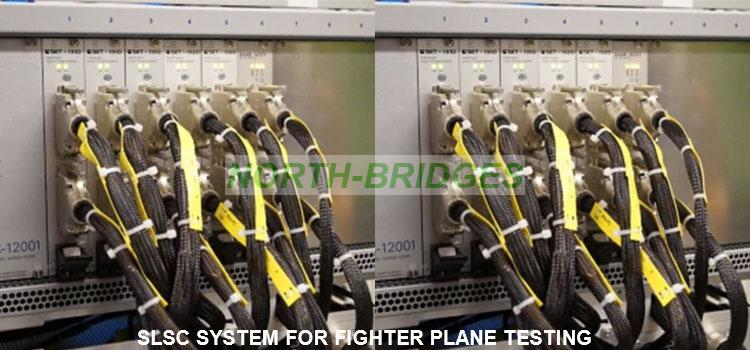
Switching, Loads, and Signal Conditioning
To make the system specific to required application the end user needed custom signal conditioning and functionality between the Controller and the LRU.
The SLSC solution extends PXI and Controller measurement hardware with high-power relays for signal switching, power loads, and additional in-line signal conditioning capability. The system consists of a chassis with built-in active cooling capable of hosting 12 modules that can be used in applications such as HIL testing.
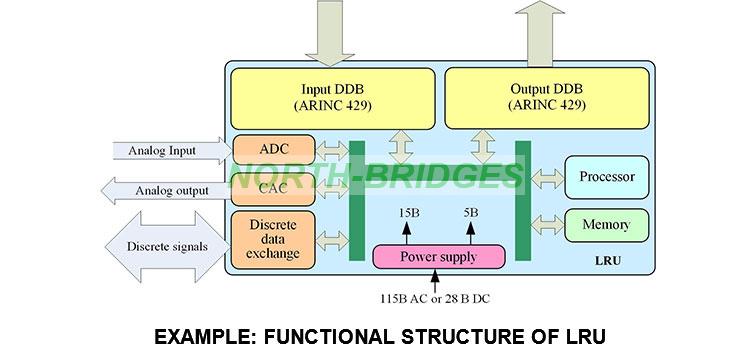
By having test system provider define the ecosystem or “constraints” for switches, loads, and signal conditioning targeted at HIL applications with their platform, end user could potentially lower costs as they would not need to spend time and effort defining them ourselves.
End user may choose from a variety of third-party SLSC modules, creates their own, or contact third parties to build modules based on a detailed hardware and software development kit and design specifications from instrument supplier. This fits well with custom needs of end user.
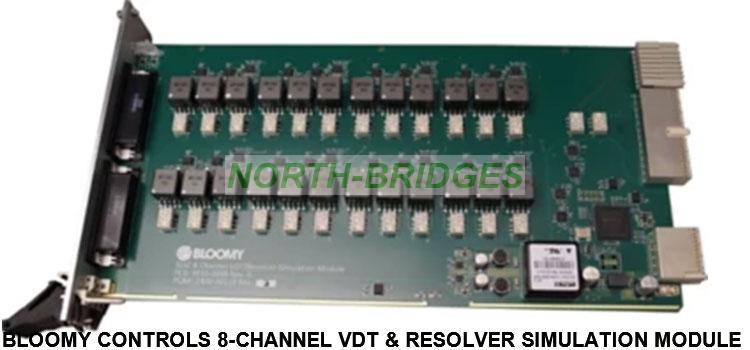
Figure: Bloomy Controls 8-Channel VDT/Resolver Simulation Module
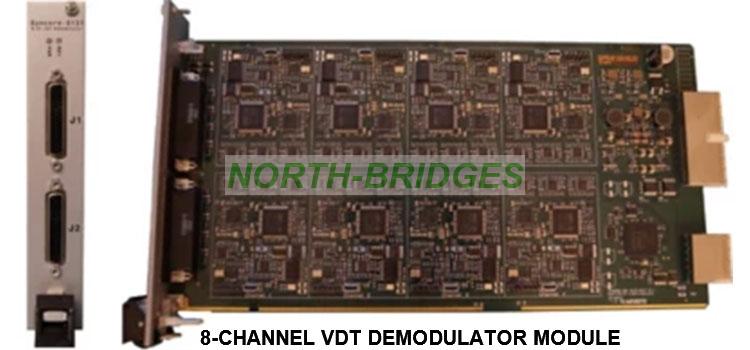
Figure: 8-Channel VDT Demodulator Module
Benefits of SLSC
The end user can use the SLSC system to focus on developing custom circuitry following the constraints defined by instrument manufacturer in the SLSC standard to save time and development resources. Without the SLSC, end user may have needed to spend thousands of man hours and many thousands of US Dollars in materials to develop the system ourselves. They would have had to consider the cooling, form factor, connectors, and more to create a custom signal conditioning system.
Having a COTS product means end user can contain development and maintenance costs promoting they initiative to break the cost curve. Using the SLSC system further promotes end user to focus the attention on building HIL test systems and rigs, not developing advanced hardware.

Contact: Windy Lian
Phone: 13862120662
E-mail: sales@north-bridges.com
Whatsapp:
Add: Suzhou City, China
We chat